
Don't miss
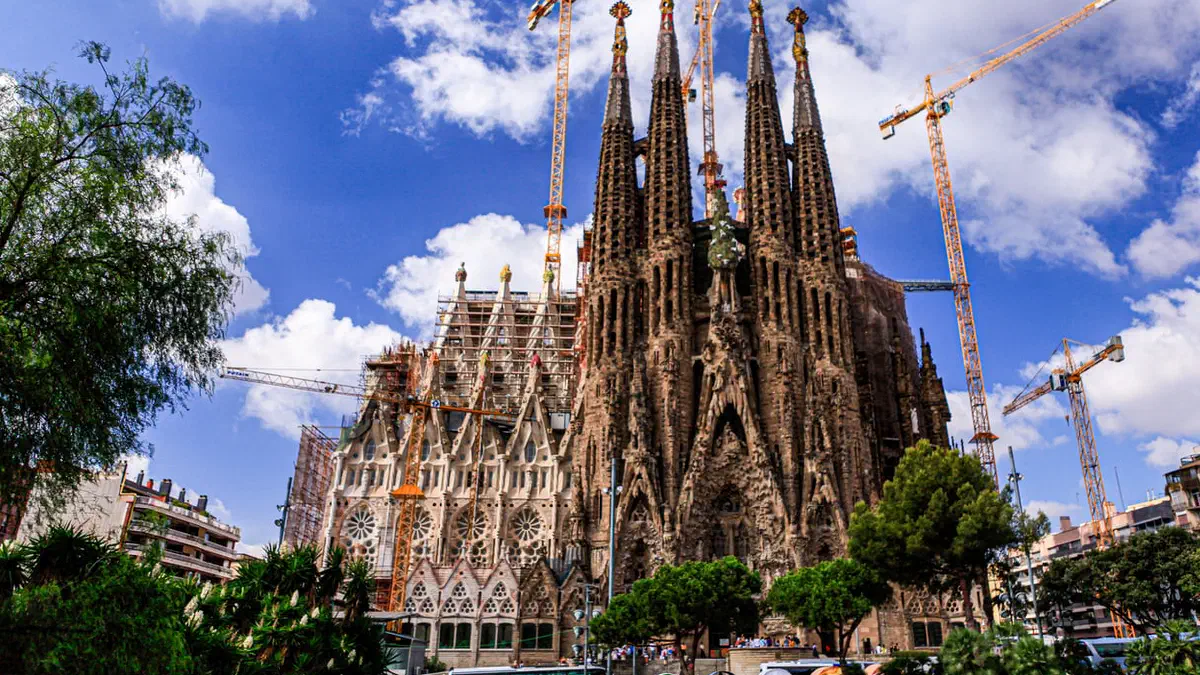
Sagrada Familia Barcelona
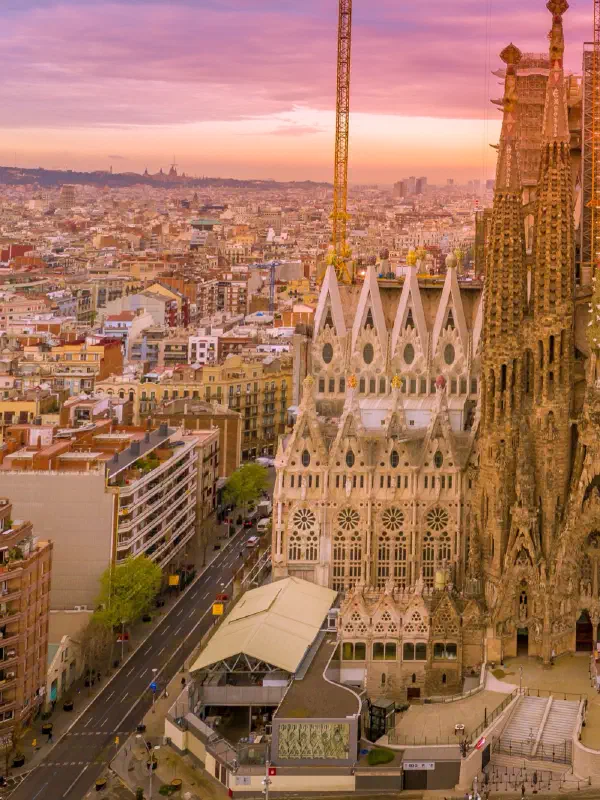
The amazing basilica of the Sagrada Familia is located in the Eixample district, the new neighborhood built in the late nineteenth century.
Book the best of Barcelona
Skip-the-line tickets and top-rated tours, hand-picked for your trip.
Explore by section
Latest guides
Browse all guides →
Barcelona Card Review: Is It Worth It in 2026?
The Barcelona Card is the city’s official sightseeing pass — run by Turisme de Barcelona — and the short answer is: it’s worth it if you’ll …
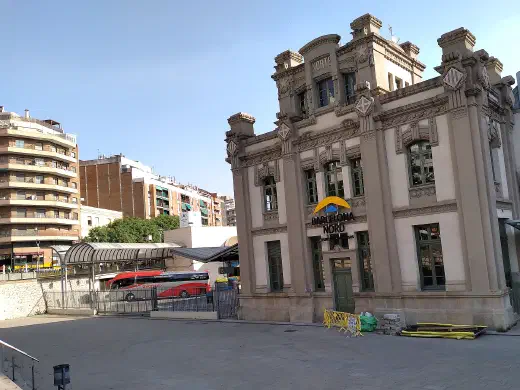
Barcelona Nord: The North Station Bus Terminal Guide
First, the mix-up this page exists to solve: the “north station” in Barcelona — Estació del Nord, or Barcelona Nord — is not a train station …
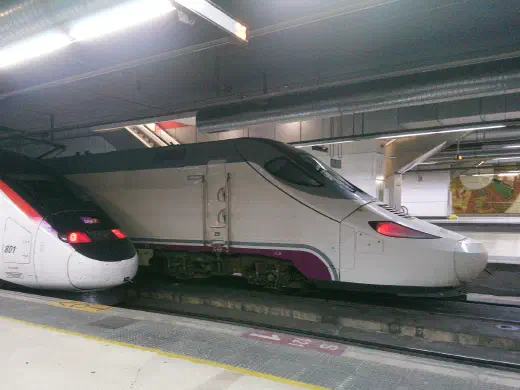
Barcelona Sants Station: The Complete Guide
Yes — Barcelona Sants is the city’s main railway station, and if you arrive by train, you will almost certainly arrive here. Every AVE high-speed service …
Bunkers del Carmel: Barcelona’s Best Viewpoint, Honestly
The Bunkers del Carmel — officially the anti-aircraft battery on Turó de la Rovira — is the best free viewpoint in Barcelona, full stop. From 262 meters up you …
Caga Tió: Catalonia’s Christmas Log, Fully Explained
Caga Tió is the Catalan Christmas tradition that no first-time visitor believes until they see it: a smiling log with a red hat and a blanket, which children …
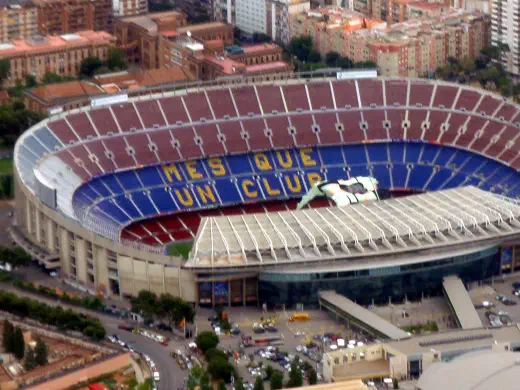
Camp Nou Stadium: Capacity, Tour and Renovation Guide
Camp Nou is FC Barcelona’s home ground in the Les Corts district and the biggest football stadium in Europe — historically seating just over 99,000, and …
Why Barcelona
It’s tempting to claim that there’s nothing like Barcelona – there ’s no other city in Spain that can match it in style, looks, or energy. The fashion magazines and travel press rely on its glamorous buildings, luxury shops, trendy bars, and lively cultural scene, but Barcelona is more than just a 2020 trend. It’s a healthy, democratic community that’s relentlessly self-renewal while maintaining everything great about its history. As the old neighborhoods blossom and the landmark museums and sights are restored with panache, there is still a long-lasting embrace of good things in life, from the daily market to the late-night café.
Catalan soul
The province of Catalonia, Barcelona’s capital, holds a historical identity dating from the 9th century and has proved impossible for the Catalan spirit to be stifled through the long periods of dominion by external powers as well as during the Franco dictatorship. This freedom is expressed in Spain’s political activism in its revolutionary design, architecture, and business dynamism.
Antoni Gaudí
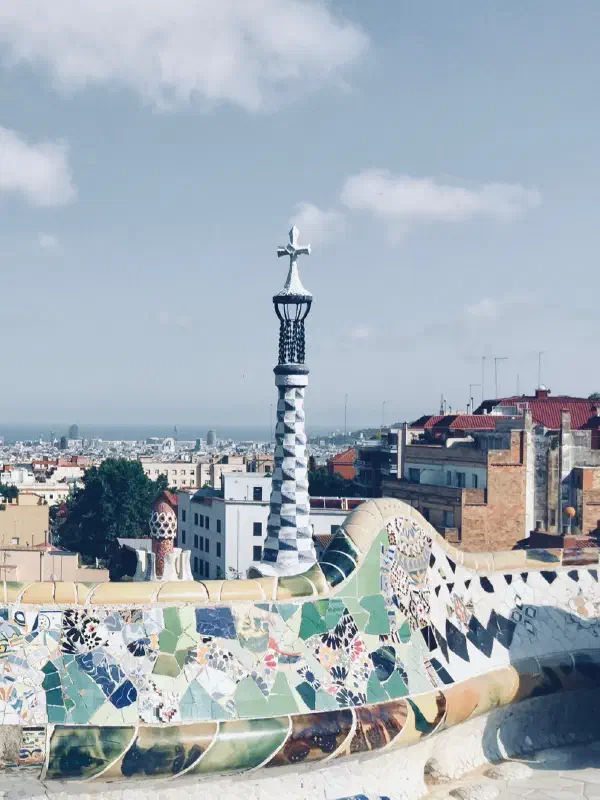
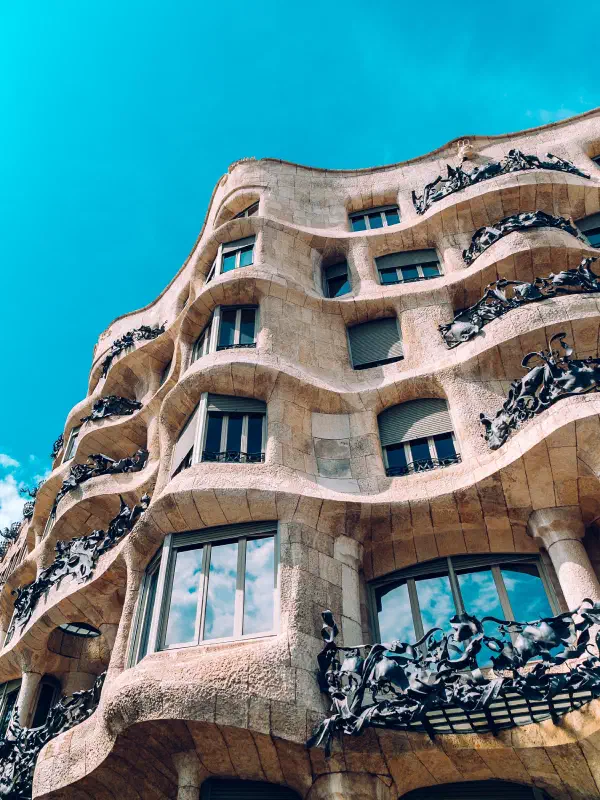
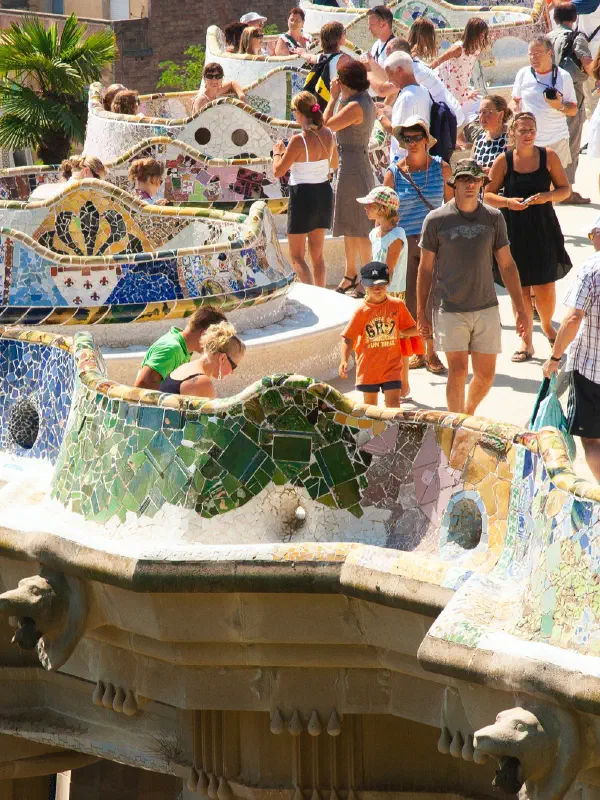
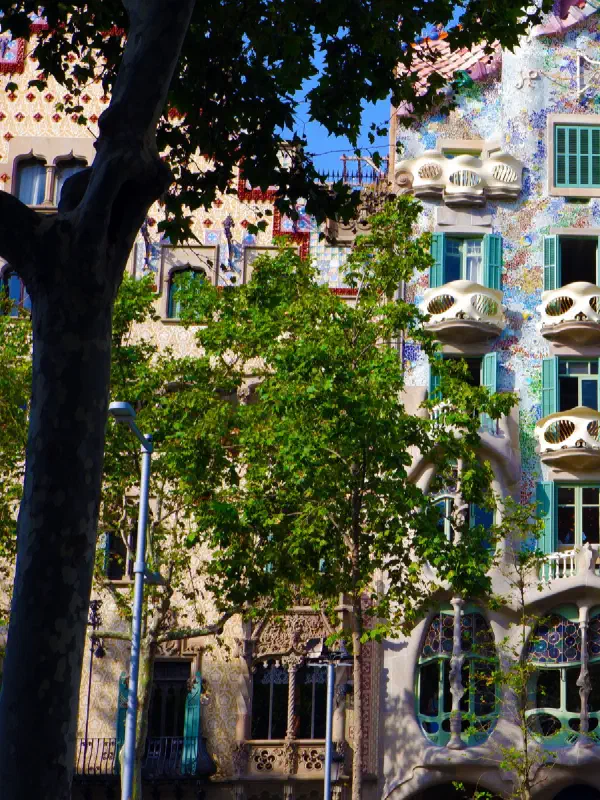
The glorious Modernista (Art Nouveau) buildings, which stretch out the streets and avenues of the city, are the perfect example. Antoni Gaudí has made his mark on Barcelona the most famous of all: rightly, his Sagrada Familia church is revered but just as impressive are the (literally) splendid houses, public buildings, and parks designed by him and his contemporaries.
The Old Town
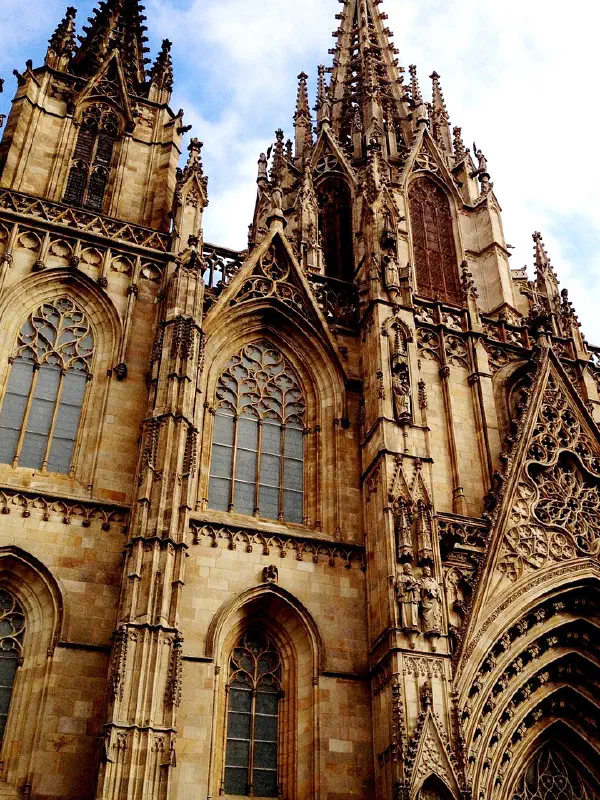
The town also has an extensive medieval Old Town with its important architectural structures dating from the previous expansion, and a magnificent artistic legacy, from the collections of Romanesque, Gothic and Contemporary art (i.e., Catalan) to major galleries containing the works of the Catalan artists Joan Miró and Antoni Tàpies (not to mention the celebrated display of Pablo Picasso ’s work).
And there’s even more to it
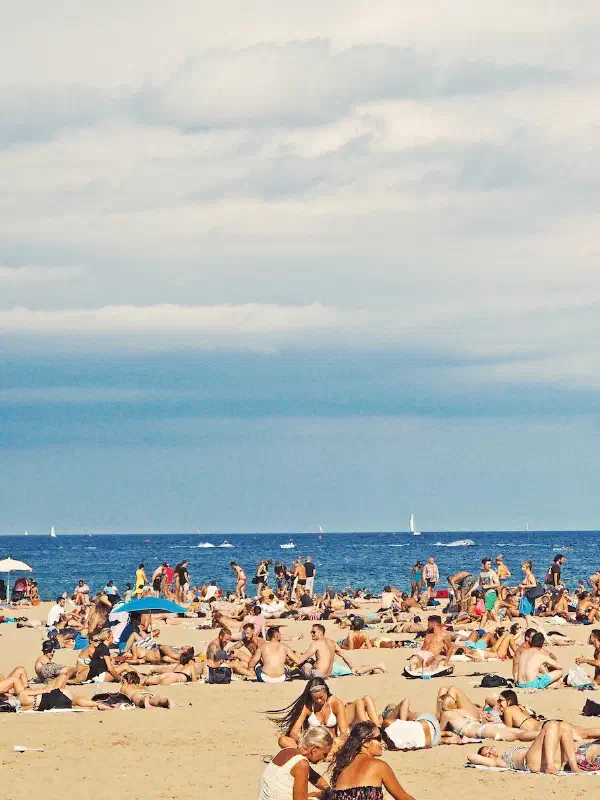
Barcelona is equally proud of its state-of-the-art restaurants – featuring some of the best chefs in Europe – its late-night bars, including its football team, the mercurial, incomparable FC Barcelona. Add the spruced-up waterfront, five kilometers of resort-standard sandy beach, and Olympic-rated sports and leisure facilities, and you have a city that entertains and enthuses locals and visitors alike.
It’s a big town, but it’s also easy to visit
The second town of Spain is an amazingly easy place to get around despite its size. It is, in effect, a series of self-contained neighborhoods stretching out from the port, flanked by parks, hills, and forests. Much of what you can see in the center – Gothic Cathedral, Picasso Museum, markets, Gaudí buildings, and art galleries – can be reached on foot, while a fast, cheap, integrated public transport system takes you directly to the outlying attractions and suburbs. In the meantime, bike tours, sightseeing busses, and cruise ships all offer a different way of seeing the city.