
Finding your path in Barcelona will be easy if you plan a bit ahead. Everything in Barcelona, including the Gothic Quarter, is explorable on foot from the Ciutat Vella (Old City). You will mainly need transport to Sarrià, Gràcia, Park Güell, Gaudí’s Sagrada Família, Montjuïc and the Auditori near Plaça de les Glòries. Usually, the metro system will get you anywhere. There are also handy commuter trains on the Catalan FGC system. The metro lines in the town are useful, air-conditioned and secure. For certain routes, busses are practical, and taxis seldom exceed 15 euros for an overall trip.
Modern Barcelona is built on a grid structure atop Plaça de Catalunya. The Old Town, however, is a maze of narrow streets from Plaça de Catalunya to the harbour, so you’ll need a good street map (or GPS) and a good pair of shoes to explore. It is best to stop driving in the town whenever possible. Bus and metro route maps are available free of charge from the local Tourist Information Office at Plaça de Catalunya.
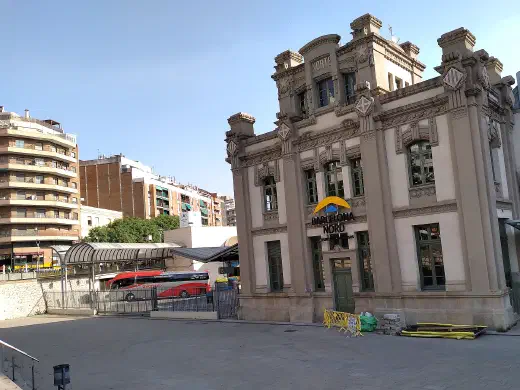
Barcelona Nord: The North Station Bus Terminal Guide
First, the mix-up this page exists to solve: the “north station” in Barcelona — Estació del Nord, or Barcelona Nord — is not a train station …
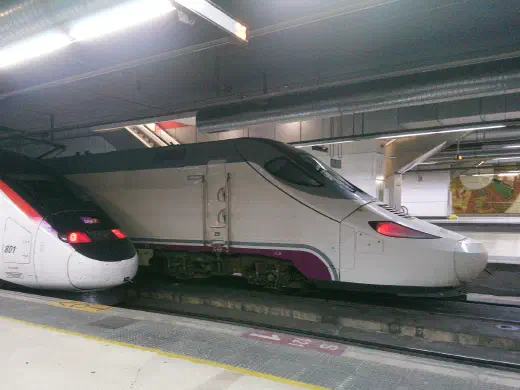
Barcelona Sants Station: The Complete Guide
Yes — Barcelona Sants is the city’s main railway station, and if you arrive by train, you will almost certainly arrive here. Every AVE high-speed service …
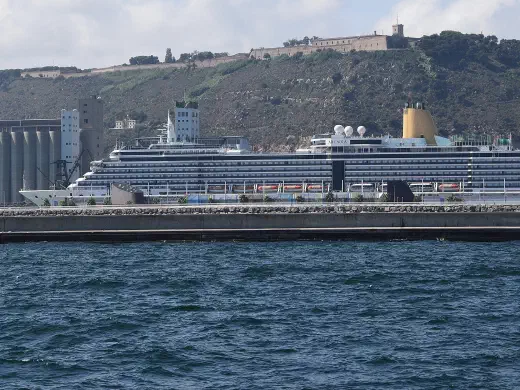
Barcelona Cruise Port: Terminals, Getting to the City & Where to Stay
The Barcelona cruise port is the busiest cruise hub in Europe, and knowing how it is laid out turns a stressful arrival into an easy one. Ships dock inside Port …
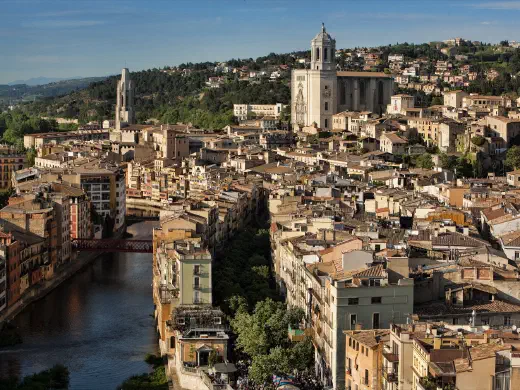
Ways to Get from Barcelona to Girona: Your Ultimate Guide
Introduction Girona is a beautiful city located in the Catalonia region of Spain, and it’s a popular destination for travelers from all over the world. If …
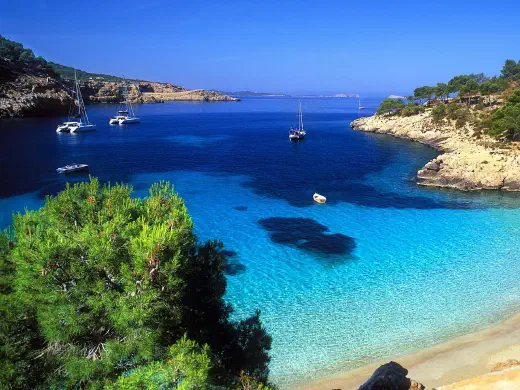
Barcelona to Mallorca Ferry & Flights: Every Way to Get There
The most popular way to reach the island is the Barcelona to Mallorca ferry, a sea crossing of around 210 km (130 miles) that runs year-round to Palma de …
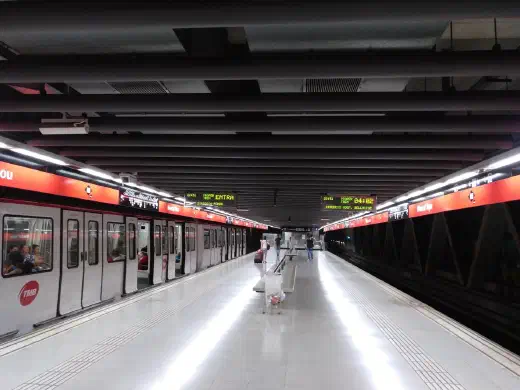
Travel by metro
The metro or subway in Barcelona is the fastest, cheapest and easiest way to get around. Metro lines run Monday – Thursday and Sunday 5 a.m.–midnight, Friday to …
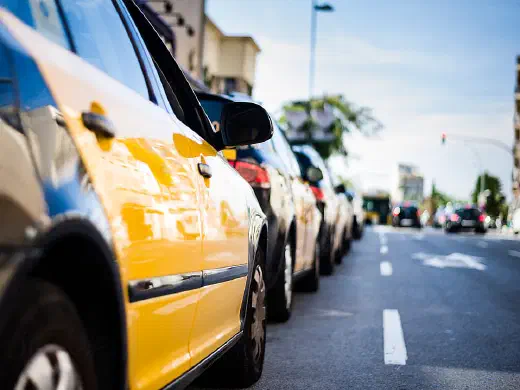
Travel by taxi
In Barcelona, the taxis are black and yellow and show a green roof sign on the front right corner when available for hire. The meter currently starts at €2.10 …
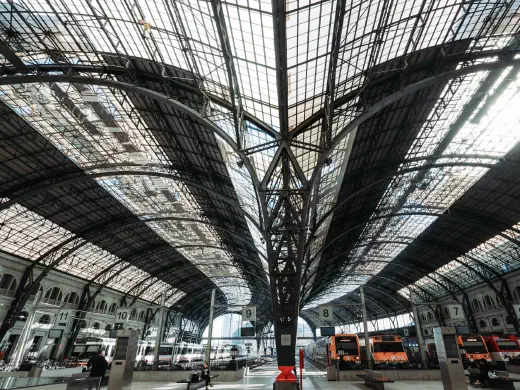
Travel by train
International overnight trains to Barcelona arrive from many European cities, including Paris, Grenoble, Geneva, Zurich and Milan; 4-day high-speed trains to …
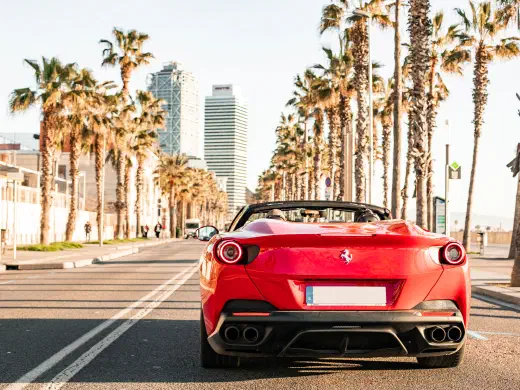
Travel by car
Major routes in Spain carry heavy traffic, particularly during peak holiday times, so be extremely careful; Spain has one of the highest accident rates in …
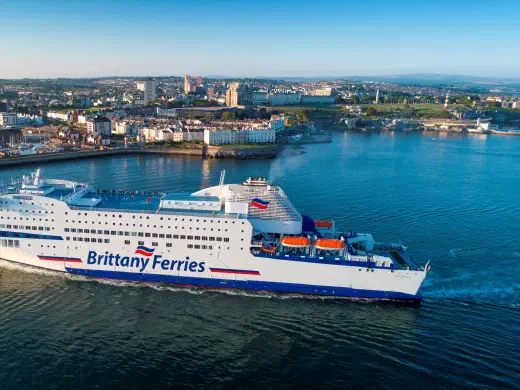
Travel by boat
There are regular ferry services between the United Kingdom and north-western Spain. Brittany Ferries is sailing from Portsmouth to Bilbao and Santander. The …
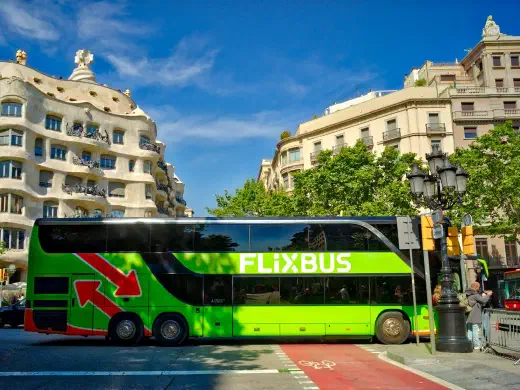
Travel by bus
Barcelona ’s main intra-Spain bus station is the Estació del Nord, a few blocks east of the Arc de Triomf. Busses also depart from the Estació de Sants …
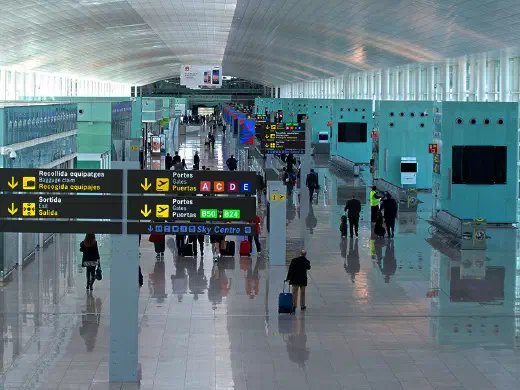
Travel by airplane
Transatlantic flying time to Barcelona’s El Prat Airport averages about 7 hours and 30 minutes from New York’s JFK Airport. Other U.S. cities with direct …